
Tech · 4 d ago
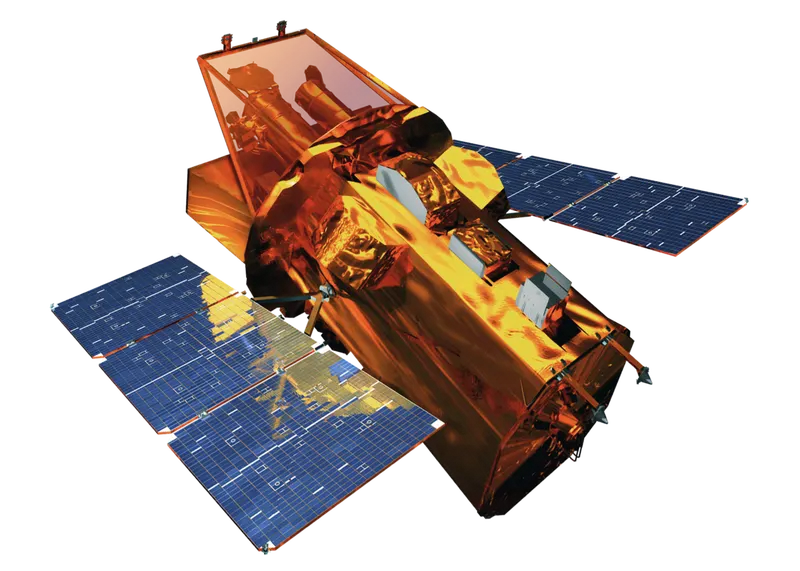
NASA's Swift telescope is days from falling back to Earth after a failed rescue

Nov
6
Friday
Earth's atmosphere
The U.S. Space Force predicts the Swift Observatory will come down on or around Friday. Most of the telescope is expected to burn up in the atmosphere.
A handful of dense tungsten pieces and some mirror parts could survive reentry, according to NASA's chief scientist for the mission. Any wreckage will most likely fall into the ocean, though the reentry zone includes parts of Africa, Australia, India, Southeast Asia and Central and South America.
NASA hired Katalyst Space to attempt a rescue, but its robot Link, launched in July, got no closer than 12 to 15 km from the telescope. Link fell back to Earth in September.
Gamma ray bursts detected
2,000 bursts
In 22 years in orbit, Swift detected more than 2,000 gamma ray bursts and 1,400 exploding stars. NASA used it as a first responder that alerted the Hubble and Webb telescopes to cosmic events.