

Canada · 19 d ago
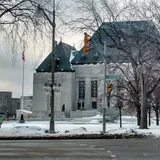
Oaktree b · CC BY-SA 4.0 · Wikimedia Commons
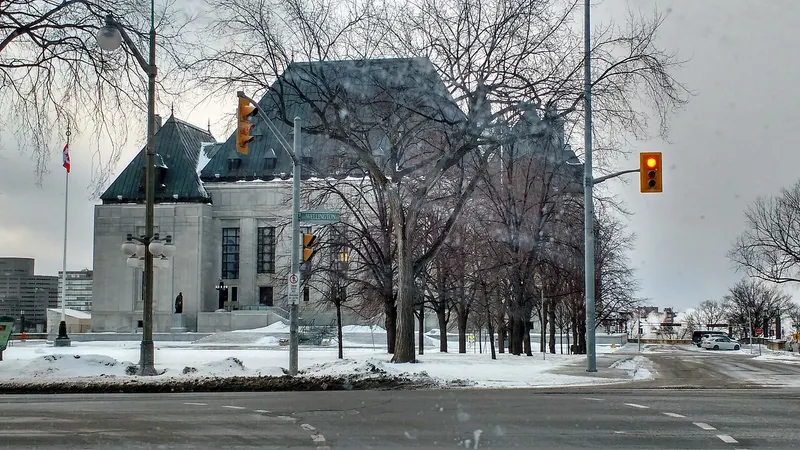
Supreme Court sets a sentencing framework for Indigenous intimate partner violence cases
The judges' vote
5 in the majority 4 in dissent
In a 5-4 ruling on Oct 9, the court said judges must apply the principles for Indigenous offenders and for Indigenous women victims together, in a harmonious way.
Three steps for sentencing judges
- Weigh the offence in its Indigenous context
- Emphasize denunciation and deterrence
- Choose a proportionate, just sentence
Judges must weigh the offence in light of the parties' Indigenous backgrounds, emphasize denunciation and deterrence, then choose a proportionate sentence, considering options other than prison.
Both of these pressing issues have been shaped by the experiences of colonization, and addressing them together is central to the ongoing process of reconciliation.
— Justice Michelle O'Bonsawin, for the majority
Sentencing judge
5 years
Court of Appeal, upheld
3 years
The ruling upholds a three-year sentence for Harry Arthur Cope, a Mi'kmaq man with severe mental health challenges who pleaded guilty to aggravated assault against his partner. The Nova Scotia Court of Appeal had cut it from five years.
The four dissenting judges said the framework fails to reflect Parliament's direction to prioritize denunciation and deterrence, and to impose harsher sentences for abuse of vulnerable victims.