

Canada · 18 d ago
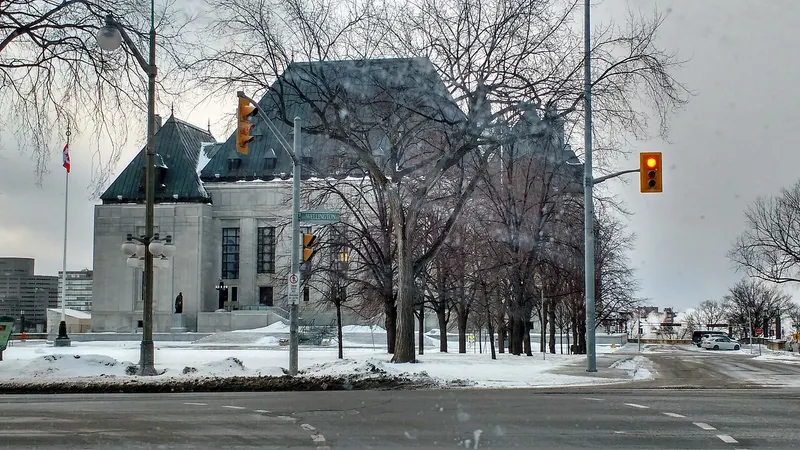
Oaktree b · CC BY-SA 4.0 · Wikimedia Commons
Supreme Court allows past sex work as evidence in some trafficking trials

The Supreme Court of Canada upheld new trials for two people accused of human trafficking and sex-work offences. It ruled they should have been allowed to question the complainant about the commercial side of her past sex work.
The law at issue
Rape shield law
Section 276 of the Criminal Code, known as the rape shield law, limits evidence of a complainant's sexual history. It aims to prevent the "twin myths": that past conduct makes consent more likely or a complainant less believable.
Writing for a unanimous court, Justice Mary Moreau said section 276 does not apply categorically to these offences. The evidence was relevant to show the complainant had worked in the sex trade voluntarily before, not been lured by the accused.
How the case got here
-
2020
Acquitted of trafficking, convicted of advertising sexual services and procuring
-
2024
The Ontario Court of Appeal orders a new trial
-
Oct 2026
The Supreme Court upholds the new trials
Two men were acquitted of trafficking in 2020 but convicted of sex-work offences; the Ontario Court of Appeal ordered a new trial in 2024, and the Crown appealed.